My dad once told me about when he saw Stanley Kubrick's "A Clockwork Orange" when it was initially released in theaters in 1971. It was rated X and was shown in one theater in Louisville, Kentucky that also doubled as a porno theater. He said at the time it was very controversial and most people considered it cheap exploitation, devoid of any substance, and an assault on taste and the boundaries one should explore with sex and violence on film. Now, it's considered a masterpiece. I don't think you could ever know if you're watching what will become part of the cultural lexicon and the quintessential canon of "best of..", but it is worth chewing on the endless possibilities. The first ten years of the new millennium is a fascinating space of time because it stills feel present and difficult to define. The images that are projected on the screen are stories that connect to us and define us. Sometimes they're ugly, sometimes they're far removed from reality, and sometimes they cut right to the bone and say something so true and honest that you can't help but have those images seared into your memory. Some of the best works from filmmakers new and old were able to do that from 2000 to 2009. Maybe decades from now it will be easier to assess what is truly the best of that time, but each of the films that I think were the twenty-five best reflect something personal and profound, and that is the timeless quality of good art. Here are the twenty-five best films from 2000-2009:
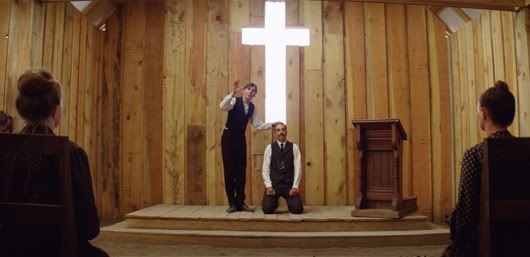
1. There Will Be Blood, directed by Paul Thomas Anderson (2007)
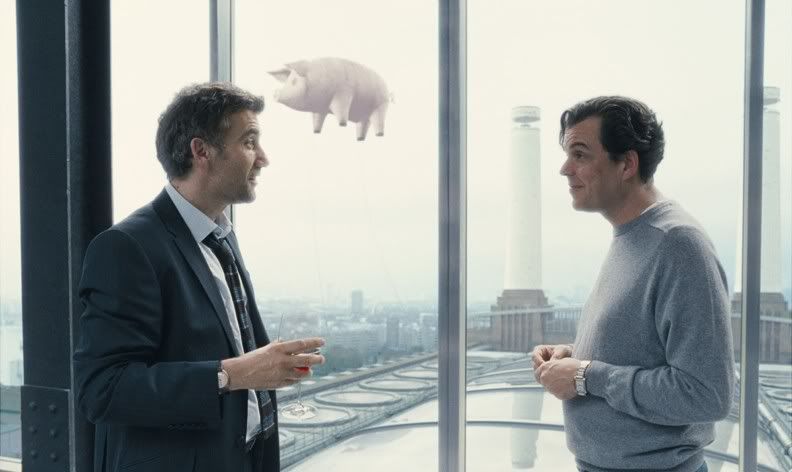
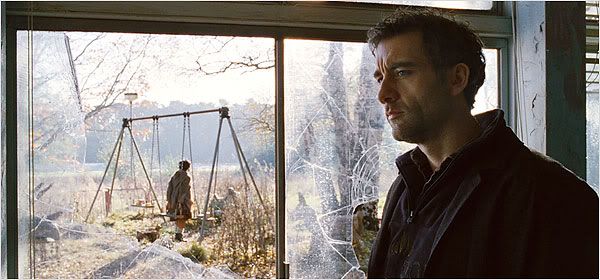
2. Children of Men, directed by Alfonso Cuaron (2006)
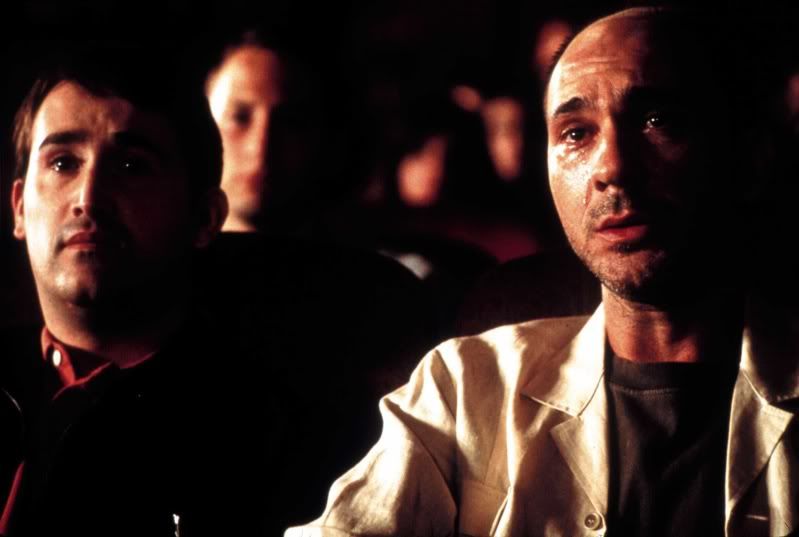
3. Talk to Her, directed by Pedro Almodovar (2002)
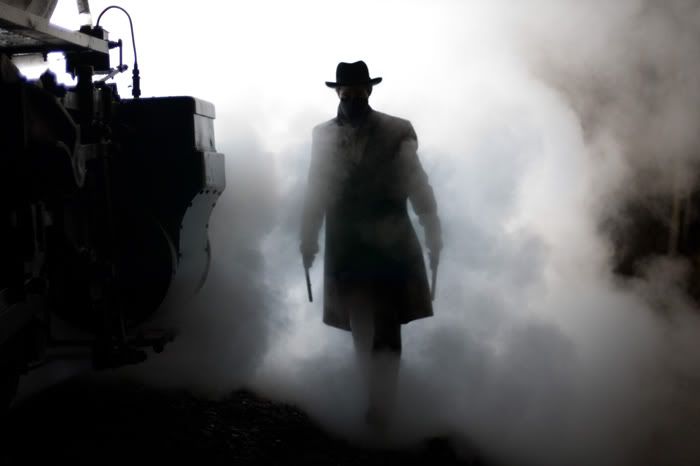
4. The Assassination of Jesse James by the Coward Robert Ford, directed by Andrew Dominik (2007)
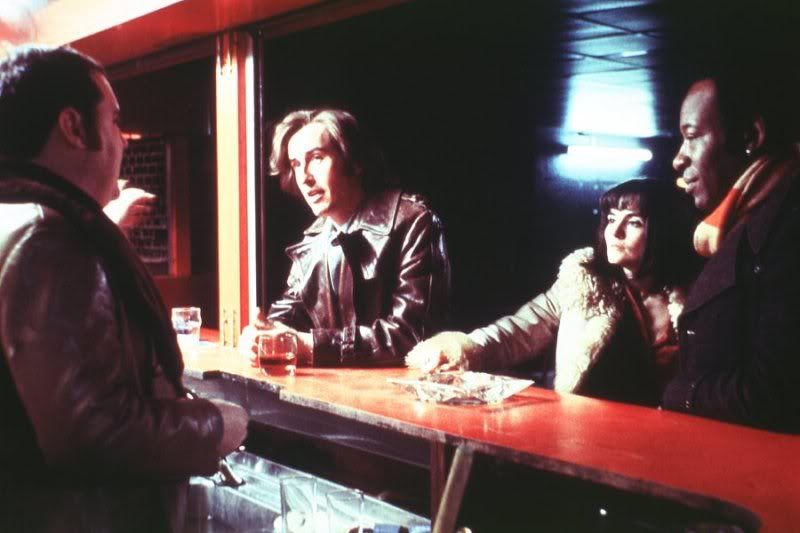
5. 24 Hour Party People, directed by Michael Winterbottom (2002)
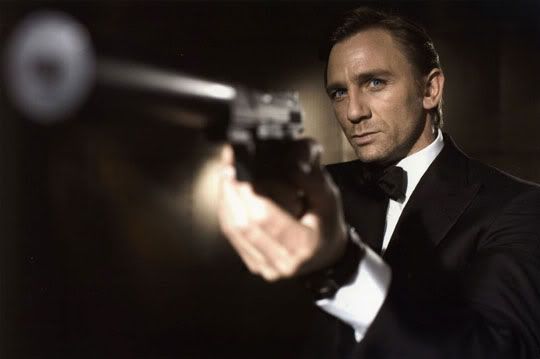
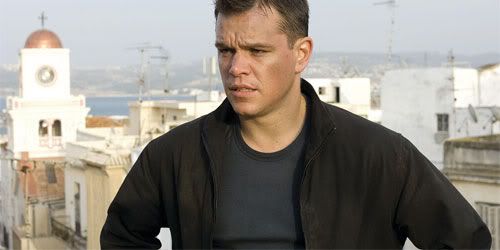
6. The Bourne Identity/The Bourne Supremacy/The Bourne Ultimatum, directed by Doug Liman and Paul Greengrass (2002) (2004) (2007)
7. The New World, directed by Terrence Malick (2005)
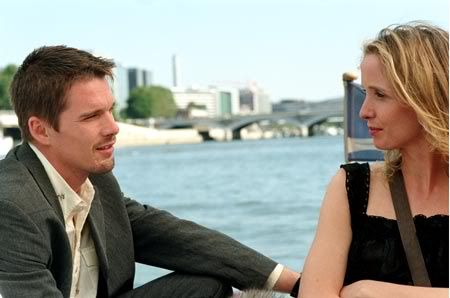
8. Before Sunset, directed by Richard Linklater (2004)
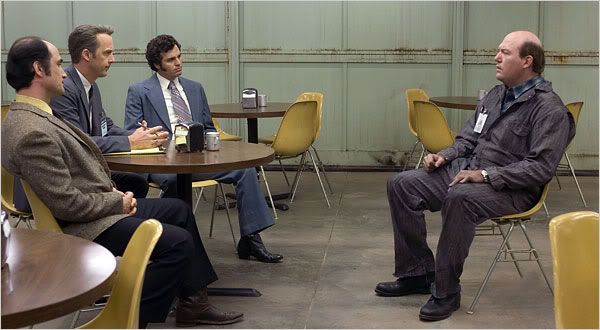
9. Zodiac, directed by David Fincher (2007)
10. The Station Agent, directed by Tom McCarthy (2003)
11. City of God, directed by Fernando Meirelles (2002)
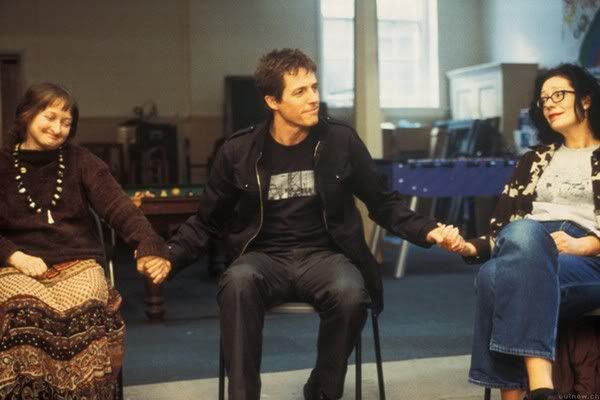
12. About a Boy, directed by Chris Weitz and Paul Weitz (2002)
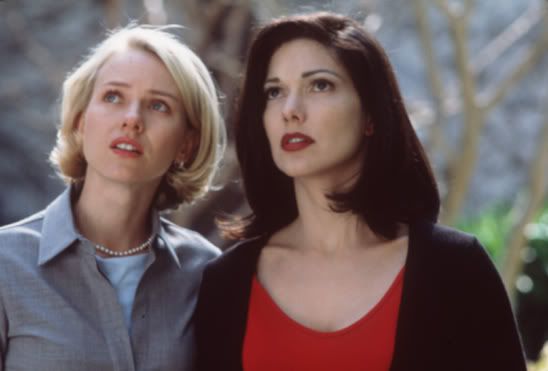
13. Mulholland Drive, directed by David Lynch (2001)
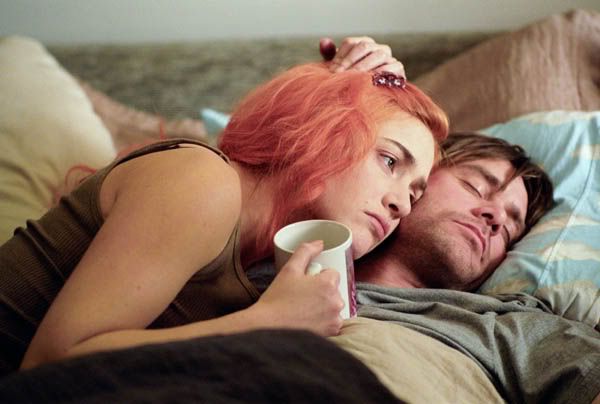
14. Eternal Sunshine of the Spotless Mind, directed by Michel Gondry (2004)
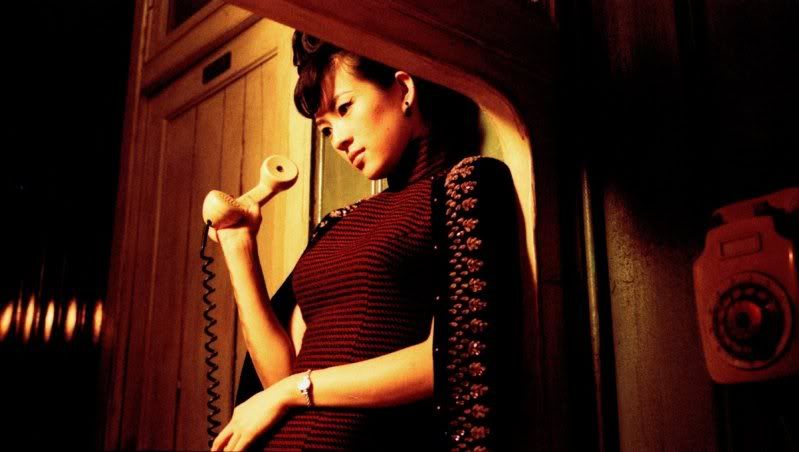
15. 2046, directed by Wong Kar Wai (2004)
16. Wall-E, directed Andrew Stanton (2008)
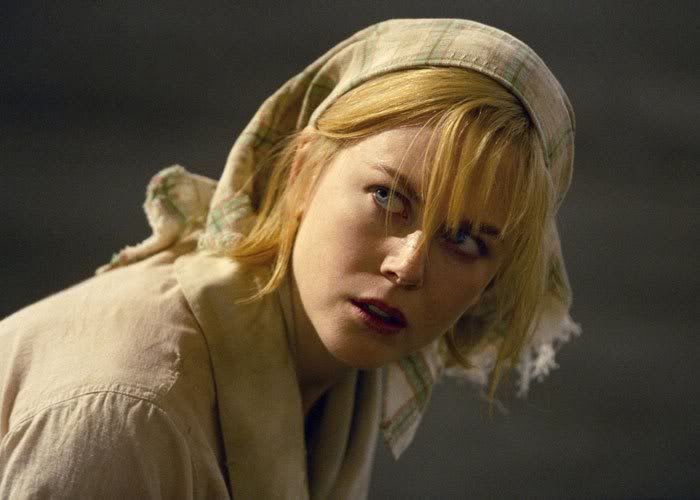
17. Dogville, directed by Lars Von Trier (2003)
18. Lost in Translation, directed by Sofia Coppola (2003)
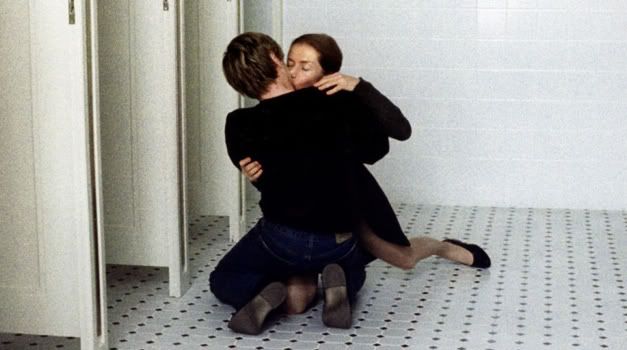
19. The Piano Teacher, directed by Michael Haneke (2001)
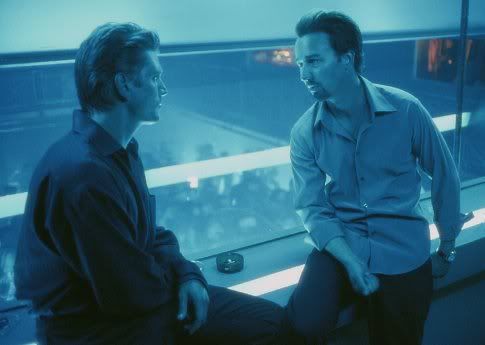
20. 25th Hour, directed by Spike Lee (2002)
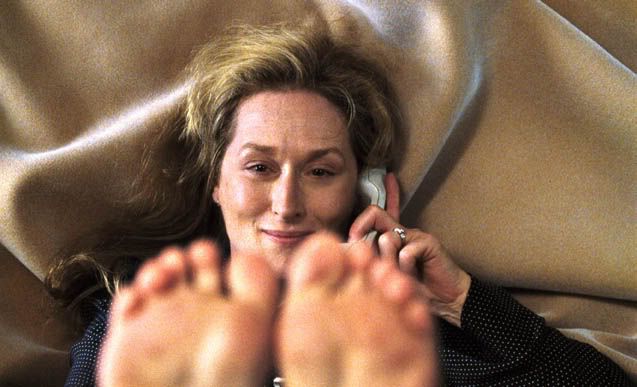
21. Adaptation, directed by Spike Jonze (2002)
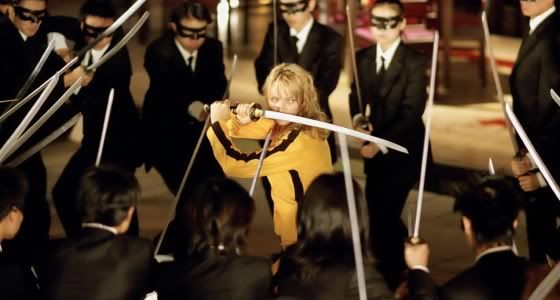
22. Kill Bill Vol. 1., directed by Quentin Tarantino (2003)
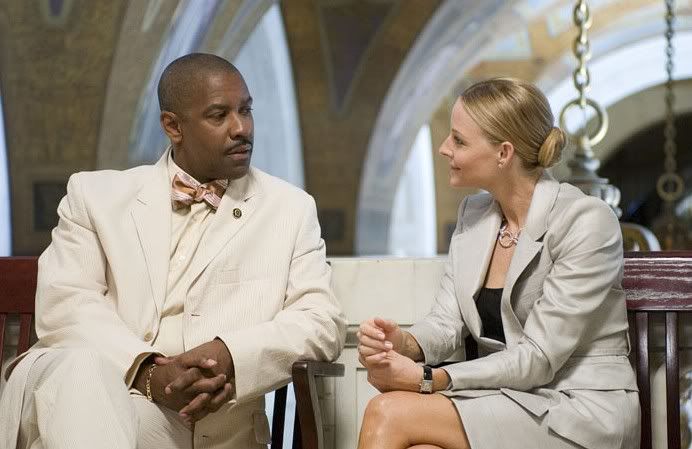
23. Traffic, directed by Steven Soderbergh (2000)
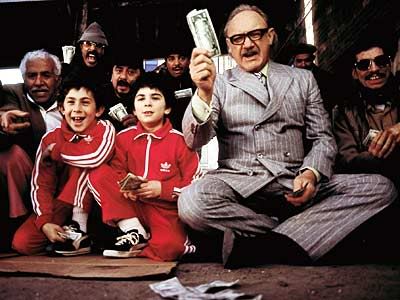
24. The Royal Tenenbaums, directed by Wes Anderson (2001)
25. Far From Heaven, directed by Todd Haynes (2002)
Sunday, June 13, 2010
25







Saturday, June 12, 2010
dvd pick of the month: red desert
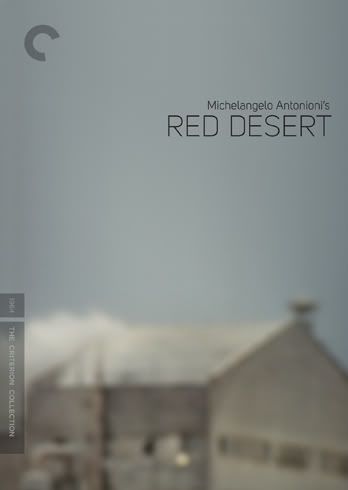
directed by Michaelangelo Antonioni
1964
And the best part of this release besides the obvious (the tetralogy is almost completely on Criterion!) is this clip on the site. I love how the trailer looks like a cheeky, farcical 60's couple romp of a movie when in fact it perfectly fits in the cannon of provocative, confrontational, and quietly sexy that Michaelangelo Antonioni does so well. The quail egg scene in the red room is unforgettable. When, oh, when will Criterion put "La Notte" out and make me a truly happy man? "Red Desert" is out on DVD and Blu-Ray on June, 22nd.
first look: somewhere
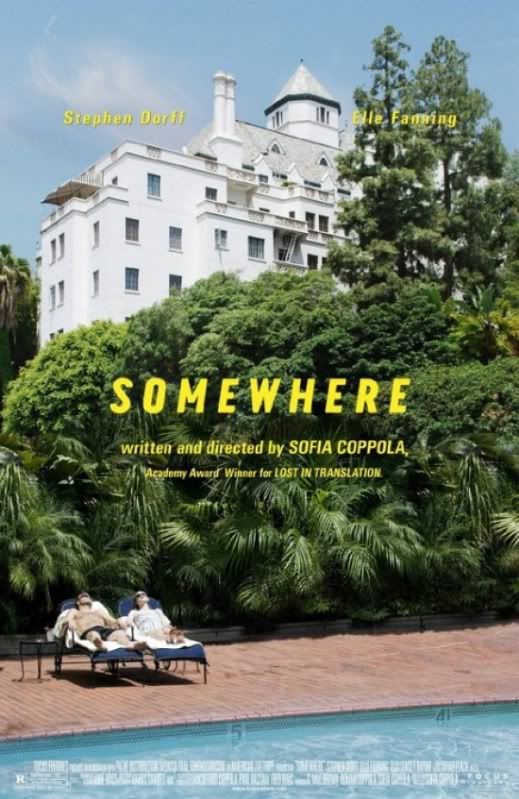
directed by Sofia Coppola
December 22, 2010
Let's hope the movie is as good as the poster.
Sunday, May 16, 2010
three lovers

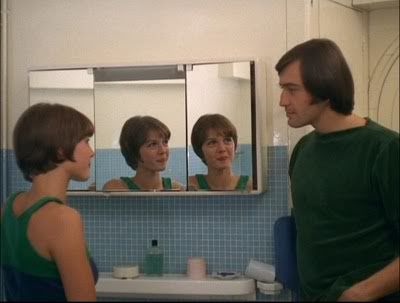
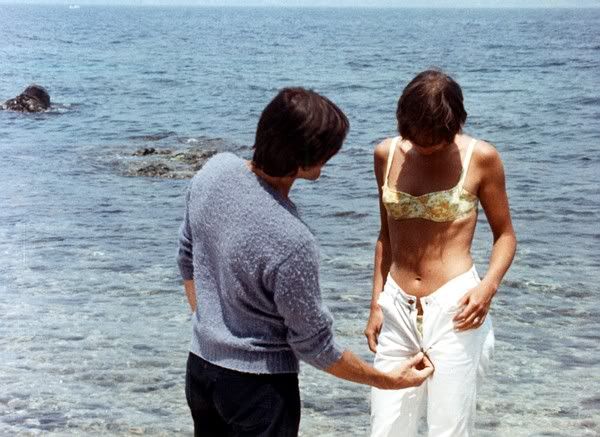
directed by Eric Rohmer, 1967
Two guys and a girl in St. Tropez in the late 60's. It's the perfect setting for a story brimming with sexual politics and erotic tension. It's also innately stylish. Patrick Bauchau stars a man hellbent on achieving nothingness in an idyllic summer home. Enter the coy temptation that is sexual youth and abandonment played by Haydée Politoff. Oh, and his friend, Daniel Pommereulle, is staying with him too. Masterfully measured, the morally vexed tale of repression and release plays wonderfully and cruelly in such beautiful settings. The wardrobe is at times distracting because it seems so precise. Oversized cuffed shirts with extra long shirt tails, terry clothed sweatshirts, caftans for days spent lying in the brush, and of course, bikinis to eye at for days. There certainly isn't a timeless to every wardrobe choice, but the ones that do resonate last just as much as the power of Rohmer's art.
Saturday, April 3, 2010
2009
It might seem after the fact that I'm writing about a year in film that ended three months ago. It was an unusual year for film and not the year I was anticipated or had hope to close the first decade of the 21st century, especially for American film. In a year in which Sandra Bullock and Mo'nique can win Oscars and the wam-bam Hollywood blockbuster with intelligence was no where to be found, suffice it to say it was a mix bag year. Major vehicles for big stars fell flat ("Duplicity" and "Public Enemies" immediately come to mind.), reliable favorites weren't so reliable (Almodovar was running in circles with "Broken Embraces" and Von Trier's "Antichrist" was a bizarrely pretentious void I'd care not return), franchises were not so eloquent as they were in 2008 ("Terminator Salvation" will never be "The Dark Knight", no matter how badly McG wants it.), and I didn't even bother to touch "Avatar." I love American film, especially big, bright Hollywood movies that work, but they were few in far between in 2009. Thank goodness for foreign language film to satiate my starved cinema belly. It was a strong year for film not in the English language with beautiful, explosive, original works coming from all over the globe. The films that truly resonated with my eyes were films that felt daring and personal--a passion project without the vanity. These are the ten best films of 2009:
1. Gomorrah, directed by Matteo Garrone
From the opening massacre in a tanning salon to the image of a bulldozer full of dead bodies at the film's perfect climax, "Gommarah" grabs you by the throat and shoves you into a world where everyone is the enemy and people are as disposable as trash. Violent, moving, and utterly breathtaking (literally), "Gommarah" is a movie I still can't stop thinking about.
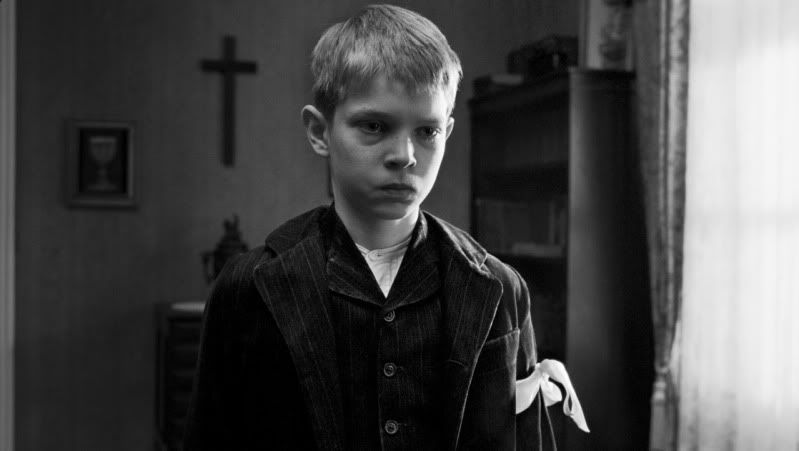
2. The White Ribbon, directed by Michael Haneke
No other living filmmaker is so in-tuned to all things macabre, aberrant, and dangerously human as Michael Haneke. In its slow burn of an operatic scream, "The White Ribbon" is an incredible allegory of terrorism and a seething damnation of a patriarchal society. Played with a light hand, but strong eye, "The White Ribbon" is a disturbing look a small town gone mad. The plague of suspicion, dread, and death is plainly pessimistic, but it's also a shock of truth that feels very of the moment.
3. I Love You, Man, directed by John Hamburg
I really liked Noah Baumbach's "Margot at the Wedding." It was an astute portrait of sibling rivalry and the tender, yet tumultuous relationship between women. It made me realize I've never seen a movie that attempted to articulate the nuances of male friendship without veering into the sappy or sophomoric. The codes of male friendship are vastly different, but definitely worth exploring and that's what makes John Hamburg's "I Love You, Man" so damn good. In its hilarious reveal we know now the awkwardness of platonic relationship making between two straight men.
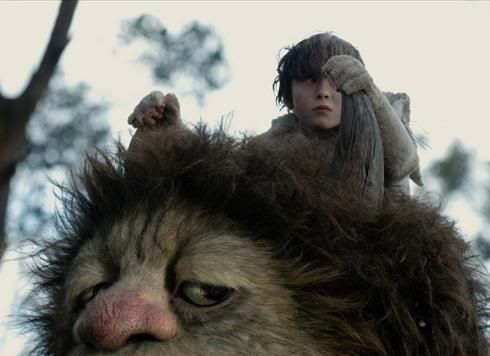
4. Where the Wild Things Are, directed by Spike Jonze
A friend of mine joked about which auteur will tackle the children's novel. Will we see Gaspar Noe adapt a Judy Blum book or Alexander Payne take on "Maniac McGee"? Who knows, but I will say that Spike Jonze's idiosyncratic version of Maurice Sendak's "Where the Wild Things Are" has set the standard. Deeply personal and far removed from anything classically associated a "kids movie", "Where the Wild Things Are" is a blithe movie about the triumph of a child-like spirit in face of the harsh world ruled by adults. Beautifully photographed and acted, "Where the Wilds Thing Are" is reason enough why Spike Jonze should be make more films than once every three to five years.
5. The Informant!, directed by Steven Soderbergh
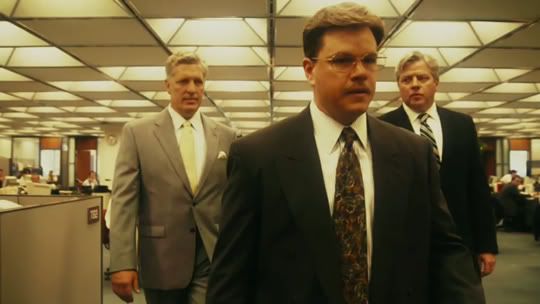
The genius of Steven Soderbergh is his unpredictable pedigree. What interest and inspires him as a filmmaker is seemingly endless. He's worked in almost every genre with every kind of budget and for the most part, the product is always watchable and of some value. I didn't care for "The Girlfriend Experience" because like many of his more indulgent choices, it felt too hermetically sealed in its own experiment. However, his oddball follow up, "The Informant!" was just the tonic needed to forget about Sasha Grey's poor attempt at "film acting." A movie about paranoia, lies, deception, set to an upbeat, jaunty Marvin Hamlisch score is bold, but it's Damon's unforgettable turn as a man drowning in delusion that feels bold and fresh from not only Soderbergh but the highly underrated talents of Mr. Damon.
6. Summer Hours, directed by Olivier Assayas
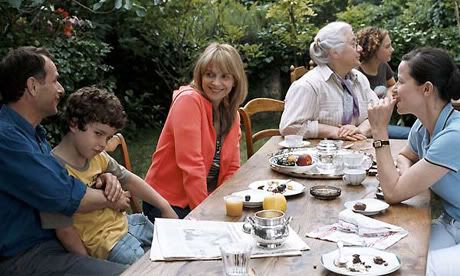
Why are the French so good as movies about fractured families? Taking a break from his pyscho-sexual multi-national thriller/b-movies, Oliver Assays delivers a somber portrait of what happens when a family disintegrates and tries to rediscover who they are. After the death of the mother, a sister and her two brothers who live in various corners of the world and are too busy with their own jobs, families, love lives, etc. must come to terms with what family means to them and what to do with the summer home that symbolizes their roots and family togetherness. It's great to see a filmmaker such as Assays explore worlds and feelings beyond the kink (not there's anything wrong with that).
7. 35 Shots of Rum, directed by Claire Denis
Kathyrn Bigelow rightfully won the Academy Award for Best Director, but unfortunately she has a small community of American contemporaries. The rest of the world seems to have more working female filmmakers who make films beyond the obligatory romantic comedy. Claire Denis' "35 Shots of Rum" is a subtle display of human connection and the beauty of attraction, missed opportunities, and the bond that breaks between parent and child when the child has to grown up and grow out of the home. Denis has a gift for placing the camera in such original and specific points that enhance the experience of watching her tell a story. One of the best scenes of the film is set an empty restaurant on a rainy night. Dancing, drinking, and eating ensues in what results as some of the sensual and sensuous images you never knew could be achieved through film.
8. The Headless Woman, directed by Lucrecia Martel
What would you do if you might have caused an deathly accident to which you were the only witness? That psychological state of repression, grief, disappointment, and confusion engulfs the lead character in Lucrecia Martel's "The Headless Woman." Unable to exist in the world of her eccentric and eclectic family due to her distraction of having possibly murdered a boy, dog, thing by accidentally hitting them with her car. Watching her deal with the initial shock dares the audience to immediately decide on whether she's a good woman who made a mistake or a terrible person for not reacting in the way she eventually chooses. Stunning and slightly surreal work from beginning to end.
9. A Single Man, directed by Tom Ford
I never would have thought the big debut filmmaker of the year would be a fashion designer infamous for a collection that inspired an ad featuring pubic hair trimmed in the brand's logo. Tom Ford's "A Single Man" elegantly articulates feelings of love, loss, and earth shattering disappointment. Fully realizing his Renaissance man potential, it will be interesting to watch Ford's career as a fllmmaker begin to develop.
10. Inglourious Basterds, directed by Quentin Tarentino
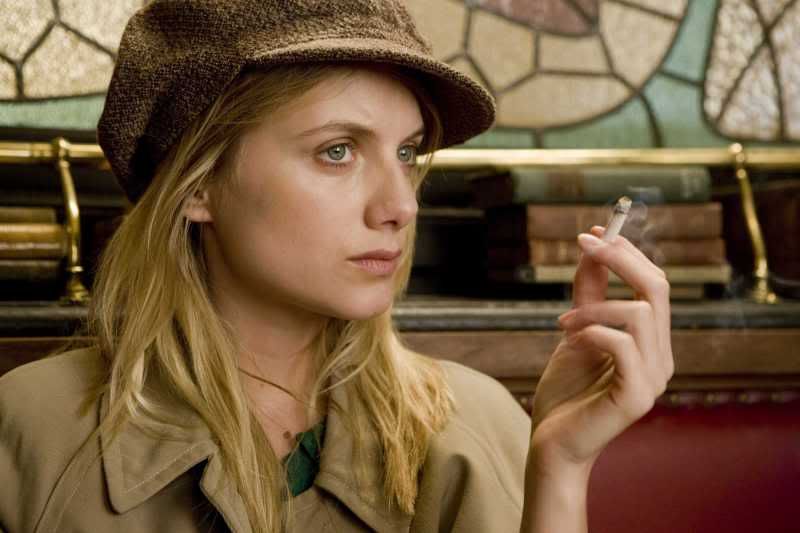
I wouldn't call "Inglourious Basterds" a return to form for Quentin Tarentino, but rather a return to making interesting, solid work. His brief detour with the mindless self-indulgence that was "Death Proof", Tarentino reinterpreted the Holocaust film into the ultimate revenge film in pure Tarentino speak. The "Cat People" sequence, bar sequence with Michael Fassbender and Diane Kruger, and the opening are clear indications that Tarentino is as inspired as ever. That's one thing most contemporary filmmakers don't have on Tarentino. His encyclopedic reservoir of film knowledge seeps into his films in the most unexpected and satisfying ways. "Inglourious Basterds" is no exception.
Honorable mentions:
The Fantastic Mr. Fox, directed by Wes Anderson
The Hurt Locker, directed by Kathryn Bigelow
Il Divo, directed by Paolo Sorrentino




Saturday, January 9, 2010
last man on earth
One of my favorite Tom Ford collections was his Yves Saint Laurent Spring 2003 meditation on the fetishization of the body. Everything was either cut extremely close to the body in varying shades of flesh, taupe, and sheen or ballooned out to expose what was underneath a sheer black dress. The breast on a jacket curved just so and if you couldn't tell already, well there was a button on the nipple in cased you missed it. As a model would turn, a rib cage or a the shape of a buttock were printed on delicate silks. And yes, this was also the collection in which the models' nipples were painted a deep plum color and some were lucky enough to wear necklaces in the shape of a human heart covered in Swarovski crystals and pendants in the shape of a penis. Obviously, Ford has a obsessive, compulsive relationship with the body. You almost have to have it to be a successful fashion designer, but does that same eye for the aestheticizing the mundane make you a successful filmmaker? Ford's debut film, "A Single Man" certainly shows promise.
Film and fashion might seem closely related, but the beauty of fashion is that it's ephemeral and the beauty of film is that it lasts forever. Film has become part of our collective experience so much so that we attach certain memories to films that were relevant to the time. Do I remember when I bought my first cashmere sweater? Yes, but I also remember discovering Federico Fellini and thinking how myopic my life experience had been up until that point. Film provokes an emotion, a thought, a release where as fashion presents an excitement, a temporary rush, an impulse that soon fades. Ford is a smart enough designer and first time filmmaker to realize filming purple nipples for two hours would not be the wisest use of his talent (although I would like to see that film), therefore what he does explore is true to film--emotion and the body.
The key scene when Ford's talents as a filmmaker become impressive is when George (Colin Firth), a professor living in Los Angeles in the early 1906's, learns the news that his lover, Jim (Matthew Goode), has tragically died in a car accident. Colin Firth's face is in extreme close up for the uninterrupted scene. You see shock, anger, despair, and the loss of love drain from his face. It's a chilling scene that sparks the narrative. George decides he can no longer live without Jim and will proceed with his day with the full intention of ending with a bullet to the head. It's an interesting proposition. What would you do your last day you knew you were going to be alive? Ford's melancholic, but tender point of view is heightened by of course, the visual swirl of a world he creates for George's last day. Things either appear especially drab or blindly bright and attractive. George's impeccable bachelor pad is a den of OCD perfection. He lays out all of his parting trinkets and gifts for his housekeeper and best friend, Charley (Julianne Moore). George proceeds with his day in a daze of malice and contempt for a world in which he's not only free to love who he wants, but also a world in which his lover is no longer present. He acknowledges his neighbors, he buys the bullets, he goes to the bank to take out his savings. He makes arrangements to have dinner with his former lover and now friend, Charley wonderfully played by that blithe presence that is Julianne Moore. Her character indulges in pink cigarettes, spending hours getting dressed up, and Tanqueray gin because she likes the color of the bottle. With their plans for dinner, George must stop at school first for one last class.
George's activities leading up to the dinner are when Ford bears the signatures of his influences. At times you feel like you could be watching a Wong Kar Wai film with Ford's love of holding the camera on stolen glances and people pining for what they truly want to stay. George meets an eager student, Kenny (Nicholas Hoult), who expresses an interest in him. The ambiguity of their relationship is fascinating to watch in how skilled Ford creates a chemistry between these two actors, but doesn't give or show you what you might expect. In a similar chance meeting with a Spanish hustler outside of a liquor store, Ford begins the scene with pure pop delight with a shot of George pulling up in his Mercedes and parking in front of a blown up "Pyscho" poster. The choice of film poster not only pays homage to perhaps on his favorite filmmakers, but it's also a film that expresses a different form of madness, despair, sexual longing and ambiguity. George and the hustler have a sensual exchange that could have been out of a Bernardo Bertolucci film. Ford breaks up the scene with tight close ups of the curls of cigarette smoke pouring from the hustler's lips. This compulsive love of the body makes you wonder if Ford painted his nipples purple underneath his James Dean-esque t-shirt. Ford's intentional or unintentional appropriation of the genius of other filmmakers isn't a sign of hackneyed unoriginality, but rather a filmmaker discovering his own voice through the aesthetic and mood of filmmakers that he perhaps feels a kindred spirit.
When "A Single Man" is at its most singular is when you see Ford focuses on the loss of George. I'm not sure the technique he implores too often in the film of shifting the color saturation when George feels something because Firth is good enough to have you feel what he's feeling. However, in the scenes between Goode and Firth told in flashback, there's a sense of impending doom. They love each other very much, but Firth's protective eyes suggest that love is perhaps not eternal. When he's with Kenny (sensitively played by Hoult), George is liberated, but again that the liberation is only fleeting. "A Single Man" on the surface might imply that nothing lasts forever, but through Ford's appreciation for present moments (the hustler at the liquor store, Charley applying make up all day in preparation for dinner, skinny dipping in the ocean), the movie's statement is actually quite optimistic. The idea of nothing lasting forever is debatable, but what does last from "A Single Man" are the perfectly articulated and manicured traces of a burgeoning filmmaker.

Saturday, January 2, 2010
the end: 2008
2008
Ballast, directed by Lance Hammer
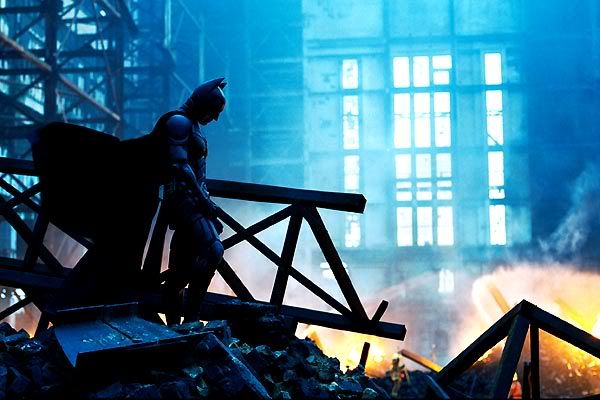
Wall*E, directed by Andrew Stanton
The Dark Knight, directed by Christopher Nolan
Reprise, directed by Joachim Trier
Happy-Go-Lucky, directed by Mike Leigh
A Christmas Tale, directed by Arnaud Desplechin
Tropic Thunder, directed by Ben Stiller
Flight of the Red Balloon, directed by Hsiao-hsien Hou
Synecdoche, New York, directed by Charlie Kaufman
The Wrestler, directed by Darren Aronofsky
Paranoid Park, directed by Gus Van Sant
The Curious Case of Benjamin Button, directed by David Fincher
Silent Light, directed by Carlos Reygadas
Vicky Cristina Barcelona, directed by Woody Allen
Che, directed by Steven Soderbergh

Thursday, December 31, 2009
the end: 2007
2007
1. There Will Be Blood, directed by Paul Thomas Anderson
2. The Assassination Of Jesse James by The Coward Robert Ford, directed by Andrew Dominik
3. The Bourne Ultimatum, directed by Paul Greengrass
4. Zodiac, directed by David Fincher
5. Michael Clayton, directed by Tony Gilroy
6. I'm Not There, directed by Todd Haynes
7. The Diving Bell And The Butterfly, directed by Julian Schnabel
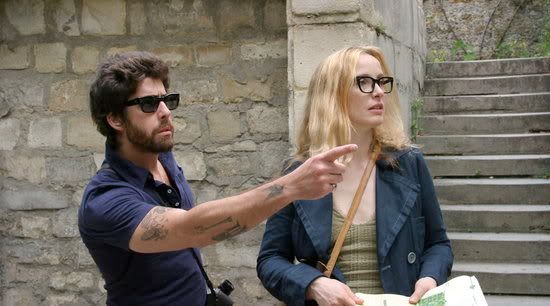
8. 2 Days In Paris, directed by Julie Delpy
9. No Country For Old Men, directed by Joel and Ethan Coen
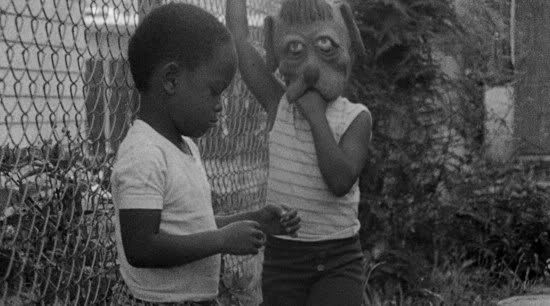
10. Killer Of Sheep, directed by Charles Burnett
11. Before The Devil Knows You're Dead, directed by Sidney Lumet
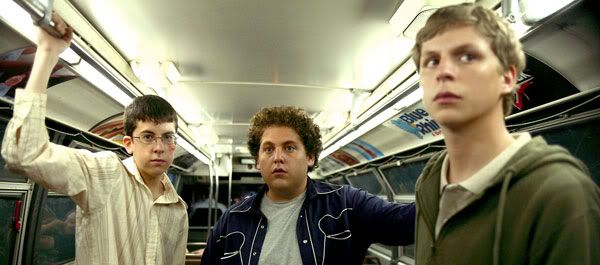
12. Superbad, directed by Greg Mottola
13. This Is England, directed by Shane Meadows
14. No End In Sight, directed by Charles Ferguson
15. Southland Tales, directed by Richard Kelly
the end: 2006
2006
1. Children of Men, directed by Alfonso Cuaron
2. Half Nelson, directed by Ryan Fleck
3. Little Children, directed by Todd Field
4. Marie Antoinette, directed by Sofia Coppola
5. The Departed, directed by Martin Scorsese
6. When the Levees Broke/Inside Man, directed by Spike Lee
7. Casino Royale, directed by Martin Campbell
8. Tristram Shandy: A Cock and Bull Story, directed by Michael Winterbottom
9. Pan’s Labyrinth, directed by Guillermo Del Toro
10. Volver, directed by Pedro Almodovar